

The hard part of a search for Discord gaming channel names is rarely the blank text box. The hard part is choosing something that still works in a member panel, an invite, a notification, and a conversation. For a public community adding enough members that personal explanations and moderator memory no longer scale, the goal is a room label that matches how players form groups, share progress, and move between games. Labels now appear in onboarding, search, moderation logs, notifications, and screenshots outside the original group. A short brief makes the generator useful. This guide uses a community moving from a few dozen regulars to several hundred mixed-time-zone members as the practical example, so every suggestion has a real place to land.
Give the generator a compact brief instead of a bag of adjectives. Name the setting, the people who will see the result, and the practical limit: clear during busy sessions, adaptable to roster changes, and separate from social chatter only where needed. Then supply the games active this month, party sizes, scheduled sessions, common help requests, and how quickly interest rotates. Using a community moving from a few dozen regulars to several hundred mixed-time-zone members as the case, write the brief as if another person will run it tomorrow. They should understand what belongs in the list and why a result would be rejected. Clear inputs leave room for surprise without inviting noise.
Begin with evidence from the people and activity behind the name. For Discord gaming channel names, collect active games, party sizes, repeated help requests, scheduled sessions, and the way interest rotates after releases. Record the material without styling and mark anything that only makes sense to one person. The growing public community case needs a clear link between the words and their use. A generator can combine the material, but a human chooses which detail belongs.
Build the shortlist from different kinds of success. The examples “find-a-party” and “ranked-plans” show one direction, while “clip-review” and “patch-talk” change the rhythm or imagery. “looking-for-coach” and “off-meta-lab” can act as boundary markers, even if neither becomes the final choice. A list of near twins creates the illusion of choice. Keep candidates that answer the brief in different ways, then replace a generic half with a detail from the input sheet. Contrast makes preference easier to explain.
Judge sound before novelty. Say each candidate at an ordinary speaking pace, then say it in a sentence someone might use on Discord. A name that looks clever can stumble when spoken, clipped on mobile, or placed beside a role badge. Walk through the steps from finding players to joining voice and posting results after the match. Test whether it works for the task in the brief. Context turns taste into a decision. Gaming servers change quickly. Names based on player actions survive lineup and season changes better than a frozen catalog of titles.
Game-specific rooms should follow active player behavior. A small server may need one party-finding room and temporary threads, while a large multi-game community may benefit from separate hubs. Count current sessions and support questions before creating permanent Discord gaming channel names. A new release can begin in a thread and earn a room later. Schedule a cleanup after a season or tournament so yesterday's roster does not become permanent navigation for everyone else.
Map the small naming system around the finalist. Draw three boxes for the Discord gaming channel name, “Discord voice channel names,” and “Discord server channel layout.” Under each box, note who sees it, where it appears, and how often it changes. That simple map prevents a flexible label from being treated like a permanent account identifier. Use names that remain clear without private context and write down the naming rule for future moderators. The boxes may share one anchor and still use different wording.
Put four results for Discord gaming channel names into the live Discord context. Change one condition at a time: first hide the topic description, then collapse the surrounding categories, then try party finding, moving into voice, sharing results, and locating help during a busy session. Record the point where a reader slows down. Keep a candidate when the reason is concrete, such as clear placement. Drop it when support depends on taste alone. The written reason keeps the review grounded.
Run a safety and readability check before the vote. Remove look-alike letters that could support impersonation, false staff cues, invisible characters, and decorative text that becomes noise for a screen reader. View the candidate in a bright interface, the dark theme, and a narrow member panel. Ask someone outside the core group what they think it says. An accessible result reaches more members with less explanation.
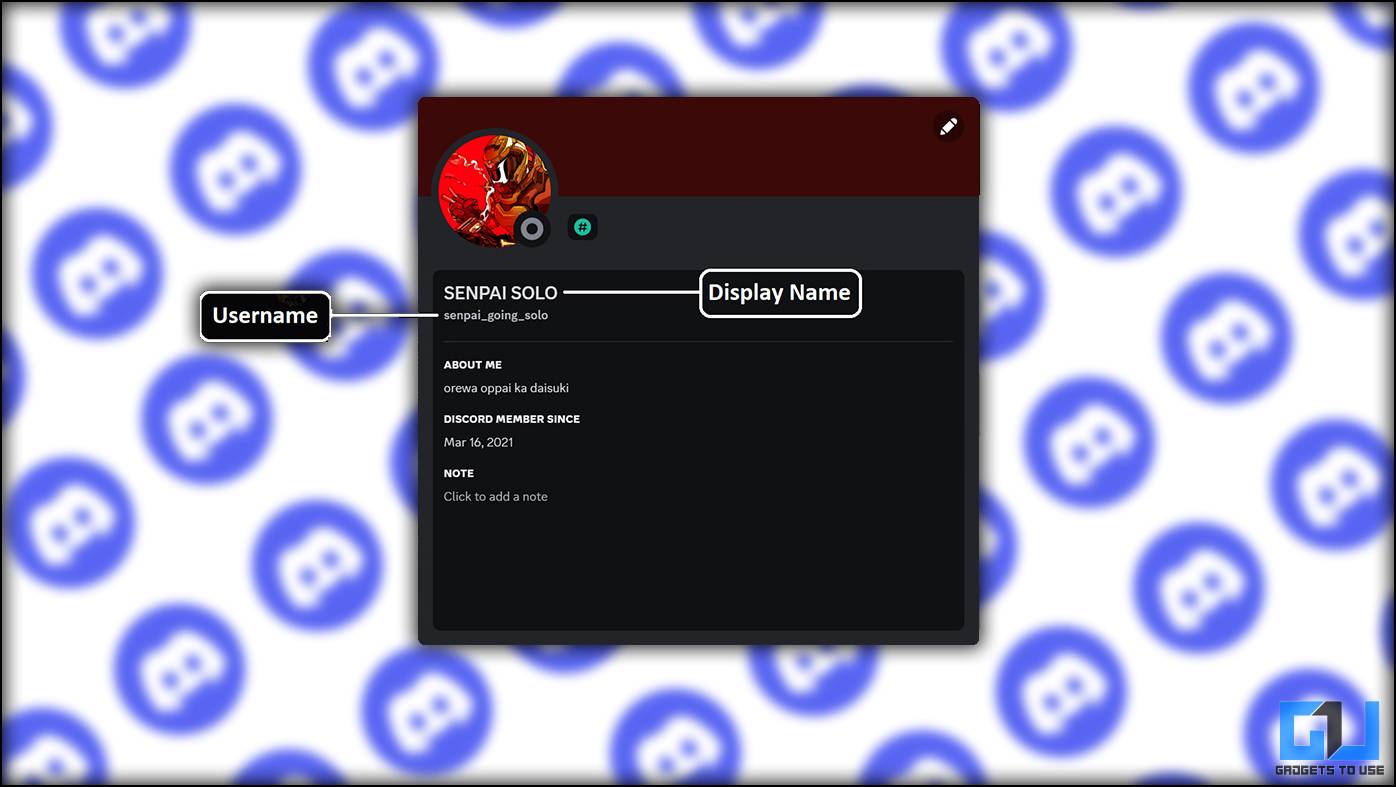
Before publishing, run a small placement test. Put the finalist into a mock server roster, server sidebar, invite, or notification, depending on its job. Pair it with the surrounding roles and channels. Check capitalization, separators, singular and plural forms, and the abbreviation people will use people will probably say. Keep a screenshot of the old and new state if this is a change. Names are interface copy, so placement is part of editing.
Give the final results for Discord gaming channel names to one person outside the naming session. Offer no explanation before the test. Ask that person to say the name and describe what they expect. Then reveal the intended use and compare the gap. For a gaming-channel name, a small mismatch may need one edit; repeated confusion sends the choice back to the shortlist. End with one person responsible for closing the choice.
Finish by writing down the choice and its reason in two plain sentences. Include the accepted spelling, any short form, and the date for reviewing temporary event language. This matters in the growing public community case, where several people may remember different drafts. The search for Discord gaming channel names has done its job once it produces a small set worth testing. The saved decision keeps the team from reopening the same debate the next time a label changes. Keep the input notes, failed options, and approved wording together. Record the constraint that settled the decision while the review is still fresh. Repeat the same checks when the name returns for another edit. Discord channel name ideas can then follow the earlier reasoning and preserve the decisions that still hold. The next pass starts from evidence instead of a fresh round of guessing. When that review arrives, check the live context against the earlier notes and change the part that failed.